
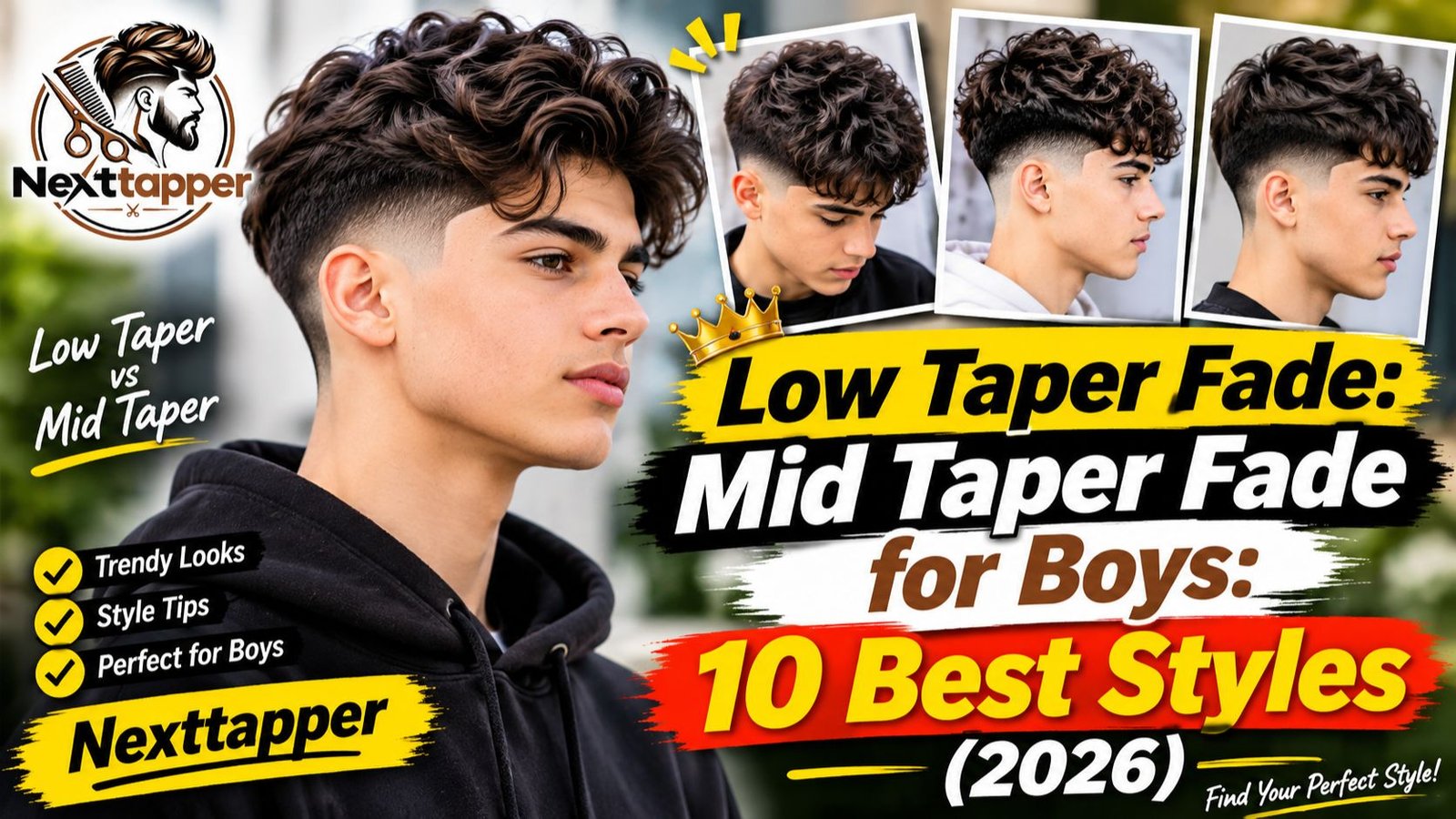

Picking a haircut for your son should not feel like a gamble. Yet many parents sit in the barber chair, say “a fade, please,” and hope for the best.
The mid taper fade for boys is one of the safest and most flexible choices. It looks neat on a toddler, sharp on a ten-year-old, and stylish on a teenager. It also grows out gracefully, which matters when school photos, sports practice, and busy weeks all compete for your time.
This guide explains what the cut is, who it suits, and what the trade-offs are. You will find 10 styles sorted by age, tips for different hair types and face shapes, a barber script you can copy, and a straight look at upkeep and cost.
Mid Taper Fade for Boys: What Makes This Cut Different
A mid taper fade shortens the hair on the sides and back in a smooth gradient. The blend starts around the middle of the sides of the head, roughly level with the temple and the top of the ear. The top stays longer, so you can style it in many ways.
Here is the short answer for quick readers: a mid taper fade for boys keeps the top longer, blends the sides and back from short to shorter, and begins that blend at the mid-point of the head.
Taper vs Fade: A Quick Clarification
The two words get mixed up all the time. A taper changes length gradually and usually leaves more hair at the bottom. A fade drops more sharply, often down to bare skin. “Taper fade” is a casual barber term that blends both ideas, so it can mean slightly different things in different shops.
That is why a reference photo helps so much. It removes the guesswork.
Where the Mid Taper Sits
| Fade Height | Where the Blend Starts | Look | Good For |
| Low taper | Just above the ears and nape | Soft and subtle | School dress codes, first haircuts |
| Mid taper | Around temple and upper ear | Balanced and neat | Most boys, most occasions |
| High taper | Near the crown | Bold and sharp | Teens who want strong contrast |
A mid taper gives you a clear change in length without looking extreme. For a child, that balance is the main appeal.
Mid Taper Fade for Boys in 2026: Why It’s the Default Pick
Barbers keep recommending the mid taper fade for boys because it solves several problems at once.
- It works across ages. The same base cut suits a four-year-old and a fifteen-year-old. Only the top changes.
- It works with different hair textures. Straight, wavy, curly, and coily hair all take a taper well.
- It looks tidy without effort. Clean sides make even messy tops look intentional.
- It grows out well. A taper blends back in more softly than a sharp skin fade does.
- It suits school settings. Most dress codes accept it, and it stays neat through a week of play.
- It adapts to trends. Textured crops, quiffs, curls, and waves all sit well above a mid taper.
Another reason for its popularity is simple. Parents want a cut that looks good on picture day and still looks fine three weeks later. The mid taper does both better than most.
Mid Taper Fade for Boys: The Trade-Offs Parents Should Know
No haircut is perfect, and it is better to know the downsides before booking.
| Pros | Cons |
| Neat, clean look | Needs a trim every 2 to 4 weeks to stay sharp |
| Flexible top styles | Poor blending is easy to spot |
| Soft grow-out | Costs more than a basic clipper cut at some shops |
| Works on many hair types | Sensitive skin can feel irritated after clipper work |
| Suits most dress codes | Fidgety young kids make precise blending harder |
A few of these deserve more detail.
Squirmy kids and clippers. A good fade needs a steady head. If your child moves a lot, tell the barber before the cut starts. An experienced children’s barber will work in short passes and keep things moving.
Sensitive scalps. Some children get redness or small bumps after clipper work. If that sounds familiar, mention it to the barber and ask about a gentler technique. Persistent irritation is worth showing to a pediatrician or dermatologist.
Cost over time. The haircut price is only part of the picture. A cut every three weeks adds up across a year, so choose a barber whose price fits your budget.
10 Mid Taper Fade Styles for Boys, Sorted by Age
Sorting by age keeps the choices realistic. A toddler’s hair behaves differently from a teenager’s, and so do their daily routines.
Toddlers and Young Boys (Ages 3 to 7)
Younger boys need low-fuss styles. Keep the top easy to manage and the blend soft.
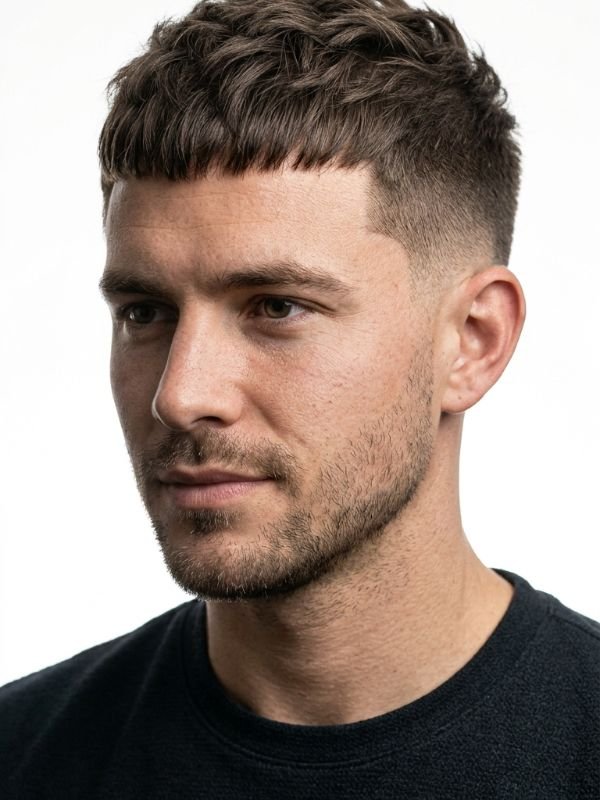
1. Simple Textured Crop
A short, tousled top with a mid taper on the sides. It is quick to style and forgiving if the hair sticks up.
Ask for: A short, choppy top and a soft mid taper that does not go to skin.
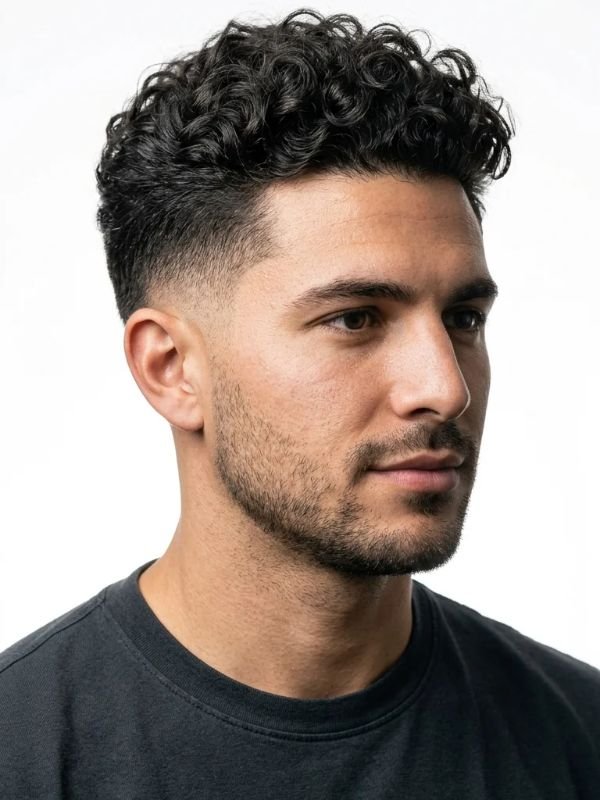
2. Curly Top Mid Fade
Natural curls stay on top while the sides are blended neatly. The contrast shows off the curl pattern without letting it look unkempt.
Ask for: Keep the curls at a length that holds shape, and taper the sides with a longer guard.
3. Classic Side Part
A combed part gives a tidy, polished finish for family events, school photos, and holidays. The mid taper keeps the sides clean around the ears.
Ask for: A visible part, a medium-length top, and a gradual taper that stops short of skin.
School-Age Boys (Ages 8 to 12)
At this age, boys start to care about how they look. Give them a say in the style.

4. Textured Fringe with Mid Fade
The top is cut slightly longer in front and styled forward or to the side. A mid fade on the sides keeps the shape crisp.
It works well on straight and wavy hair. A little styling cream adds texture without making hair stiff.
Ask for: A fringe that sits above the eyebrows and a mid taper with a natural blend.

5. Mid Fade with Hard Part
A shaved or razor-defined part adds a sharp line on one side. The look is classic and suits boys who like a crisp style.
Be aware that the part needs a touch-up sooner than the fade does. If you cannot visit often, ask for a soft part instead.
Ask for: A defined part on the left or right, with a mid taper on the sides and back.

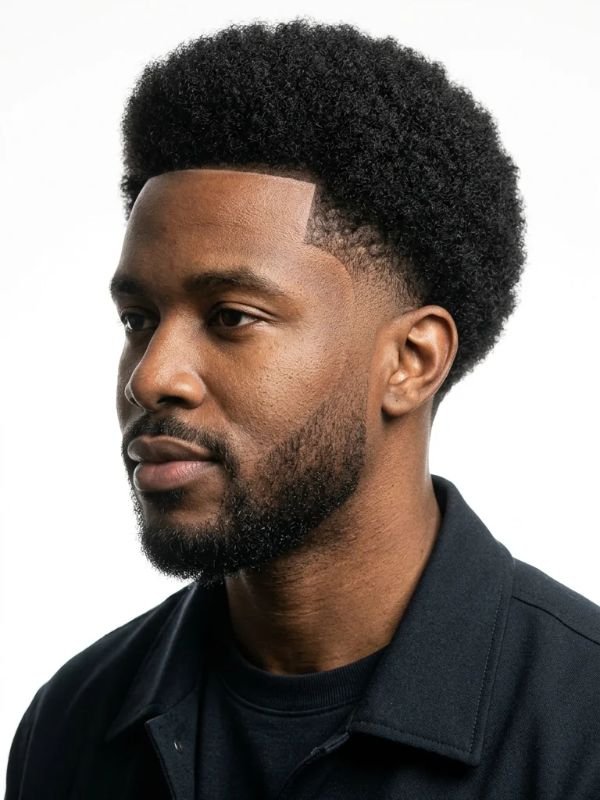
6. Afro Mid Taper Fade
Natural afro-textured hair stays full and rounded on top while the sides are tapered. It is a clean, confident look that celebrates natural texture.
The key is blending the taper into the shape of the top, so the outline is even. Many barbers also shape the front hairline lightly for a defined frame.
Ask for: A rounded top with even length, and a mid taper that blends gradually into the sides.
7. Spiky Textured Top
Short spikes or a messy lift on top, paired with a mid taper. It is playful and works for active kids, especially in summer.
A small amount of matte paste or clay is enough. Skip heavy gel, which flakes and can irritate a child’s scalp.
Ask for: Enough length on top to style upward, around two inches, and a clean mid taper.
Tweens and Teens (Ages 13 to 16)
Older boys often want a bolder look and more control over it.

8. Mid Taper Fade with Waves
For boys who want waves, the taper frames the pattern. Barbers usually pair this cut with a consistent brushing and moisture routine.
The pattern takes time to develop, so expect gradual results rather than overnight change.
Ask for: A short top that supports wave patterns and a smooth, even mid taper.

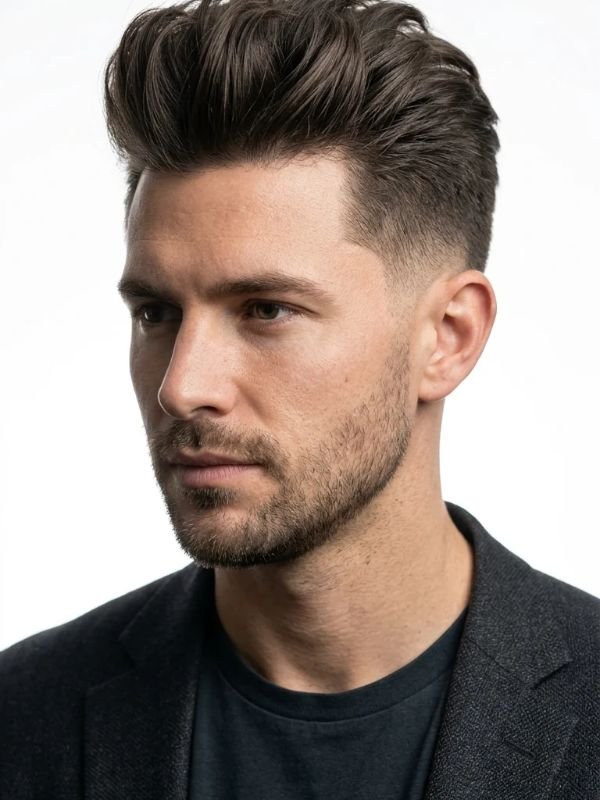
9. Textured Quiff
Volume sweeps up and back from the forehead, with a mid taper at the sides. It is a modern take on a classic shape and photographs well.
It needs a bit of daily styling, so it suits teens who like to get ready in the mirror.
Ask for: Length on top, around three inches or more, and a clean mid taper with a fairly tight blend.
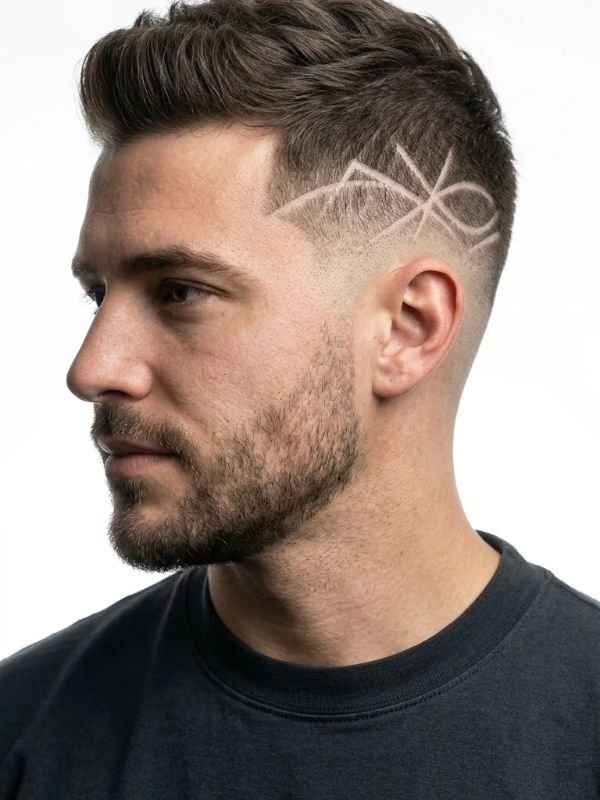
10. Mid Fade with Design
A thin line, small shape, or simple pattern is shaved into the sides. It lets a teenager add personality without changing the whole cut.
Keep the design simple and school-appropriate. Check your school’s dress code first, because some schools restrict visible patterns.
Ask for: A single clean line or small design, placed where it will not conflict with the rules.
Quick Style Comparison
| # | Style | Best Age Range | Styling Effort | Upkeep |
| 1 | Simple textured crop | 3 to 7 | Very low | Every 3 to 4 weeks |
| 2 | Curly top mid fade | 3 to 12 | Low | Every 3 to 4 weeks |
| 3 | Classic side part | 3 to 12 | Low | Every 3 weeks |
| 4 | Textured fringe | 8 to 14 | Medium | Every 3 weeks |
| 5 | Hard part | 8 to 16 | Medium | Every 2 to 3 weeks |
| 6 | Afro mid taper | 5 to 16 | Low | Every 2 to 4 weeks |
| 7 | Spiky top | 6 to 13 | Low to medium | Every 3 weeks |
| 8 | Waves | 12 to 16 | High | Every 2 to 3 weeks |
| 9 | Textured quiff | 12 to 16 | Medium to high | Every 2 to 3 weeks |
| 10 | Mid fade with design | 12 to 16 | Medium | Every 2 weeks |
These schedules are estimates. Faster hair growth means earlier visits.
Mid Taper Fade for Boys by Hair Type: What Actually Changes
The same cut behaves differently on different textures. A good barber adjusts technique. Here is what changes.
| Hair Type | What Works Best | What to Watch |
| Straight | Textured crop, side part, fringe | Can look flat without light texture product |
| Wavy | Quiff, fringe, curl-friendly crop | Humidity can add frizz |
| Curly | Curly top, longer top with taper | Keep moisture high; avoid cutting too short |
| Coily or afro | Afro taper, waves, high-top variations | Needs careful blending and scalp moisture |
| Thick | Tight taper with layering on top | Can look bulky if sides are not tapered cleanly |
| Fine or thin | Short crop, light product | Heavy products weigh hair down |
A Few Practical Notes
Straight hair often needs a little texture. Ask the barber to point-cut the top so it does not sit flat.
Curly and coily hair tends to dry out faster. Leave-in conditioner and a gentle wash routine matter more than styling products. Avoid washing every day.
Thick hair can balloon outward over a tight taper. A slightly longer guard on the sides can reduce that effect.
Mid Taper Fade for Boys by Face Shape: Quick Matches
Face shape is less important for children than for adults, since their features keep changing. Still, a few simple matches help.
Round Face
Choose a taper with some height on top. A textured quiff or a spiky top adds length to the face. Avoid a very flat top, which can make the face look wider.
Oval Face
Oval faces suit almost everything. A fringe, side part, or crop all work, so you can choose based on hair type and lifestyle.
Square Face
A softer top balances a strong jaw. A textured fringe or a slightly messy crop reduces the angle of the jaw. Keep the taper smooth rather than harsh.
| Face Shape | Best Top Styles | Taper Tip |
| Round | Quiff, spiky top | Slightly higher blend |
| Oval | Almost any | Standard mid taper |
| Square | Fringe, soft crop | Gentle, gradual blend |
Mid Taper Fade for Boys: What to Actually Tell the Barber
Clear instructions prevent most haircut disappointments. Barbers cannot read your mind, and the word “fade” means different things from shop to shop.
Use this checklist before the appointment:
- Bring a photo. Choose one with your child’s hair type and a similar top length.
- Say “mid taper” and describe where it starts. Point to the temple or upper ear.
- Name the shortest length. Say whether it should end at a short buzz or go to skin. For most children, a short buzz looks softer.
- State the top length. Use fingers or inches rather than vague words like “a little off.”
- Mention the styling plan. Say how you or your child will style it each morning.
- Tell them about skin or scalp issues. Sensitivity, eczema, or ticklish spots all matter.
- Ask how often to return. This sets a realistic schedule.
A Sample Script
“We’d like a mid taper on the sides and back, ending at a short guard rather than skin. Please leave about two inches on top with some texture. We want it easy to style, and he has a sensitive neck, so please go gently there. Here’s a photo.”
Barbers often speak in clipper guard numbers. If you are not sure which one to use, ask for their suggestion based on your son’s hair type and how neat you want it.
Helping a Nervous Child
- Let your child pick the photo. They will feel more in control.
- Bring a small toy or snack for younger kids.
- Choose a quieter time of day, and keep your tone relaxed.
Mid Taper Fade for Boys: Mistakes Parents Keep Making
Even careful parents slip up. These are the most common issues.
- Asking for “a fade” without more detail. You may end up with a skin fade or a high fade, which looks very different.
- Skipping the photo. Words are easy to misread. Pictures are not.
- Picking a style that needs daily work. If your son will not style it, choose something lower effort.
- Waiting too long between cuts. A taper loses its shape fast. A schedule helps.
- Going too short on top. A very short top limits future styles and grows out awkwardly.
- Using adult products. Strong gels and waxes can irritate young skin. Choose gentle, kid-friendly options.
- Trying a complex fade at home. Blending is hard. Mistakes on a moving child are common.
A good rule: if the haircut needs more skill than you have, pay a professional.
Maintenance Reality Check: Keeping the Fade Sharp
Maintenance is where many parents are surprised. A mid taper looks best in the first two weeks and starts to soften after that.
How Often to Get a Trim
Most barbers suggest a trim every two to four weeks. Some families stretch to six weeks, which works if you accept a softer, more grown-out look.
| Schedule | What You Get | Best For |
| Every 2 weeks | Very crisp lines | Teens with designs or hard parts |
| Every 3 weeks | Neat and balanced | Most school-age boys |
| Every 4 weeks | Softer, still tidy | Busy families, younger kids |
| 6 weeks or more | Noticeable grow-out | Relaxed styles |
Everyday Care
- Wash gently. Use a mild, kid-friendly shampoo. Too much washing can dry the scalp.
- Condition regularly. This matters most for curly and coily hair.
- Use small amounts of product. A pea-sized amount is enough for most boys.
- Protect from sun and chlorine. Rinse hair after swimming and condition afterward.
- Brush or comb the right way. Use a soft brush for waves and a wide-tooth comb for curls.
- Watch the sides. Short hair can feel prickly, so keep skin moisturized if it feels dry.
Cost Over a Year
Prices vary by location and shop. Children’s cuts are often a little cheaper than adult tapers, though a detailed fade may cost more. Here is a simple way to think about it.
| Visit Frequency | Visits Per Year | Example Cost Per Visit | Approximate Yearly Cost |
| Every 2 weeks | 26 | $25 | $650 |
| Every 3 weeks | 17 | $25 | $425 |
| Every 4 weeks | 13 | $25 | $325 |
These are sample figures only. Ask your barber for current pricing before you book.
When to Get Help
If your child gets repeated bumps, redness, or scalp flaking after haircuts, speak to a pediatrician or dermatologist. A barber can adjust technique, but a medical professional should check persistent skin problems.
Mid Taper Fade vs Crew Cut vs Skin Fade for Boys
Parents often compare these three cuts. Here is how they differ.
| Feature | Mid Taper Fade | Crew Cut | Skin Fade |
| Sides and back | Gradual blend, moderate length | Uniform short length | Gradient down to bare skin |
| Top length | Short to medium or long | Short | Any |
| Contrast | Medium | Low | High |
| Upkeep | Every 2 to 4 weeks | Every 4 to 6 weeks | Every 1 to 3 weeks |
| Grow-out | Soft | Very easy | Shows quickly |
| Style variety | High | Low | High |
| Skin sensitivity | Usually gentle | Gentle | Can feel harsher |
Mid Taper Fade vs Crew Cut
A crew cut is the lowest-effort option. It is short all over, with slightly more length on top. It needs little styling and grows out evenly.
The mid taper offers more shape and more style options. It also needs more frequent visits. If your son wants variety, choose the taper. If you want a simple routine, the crew cut wins.
Read also This: Low Taper Fade: 20 Styles, Tips & Photos (2026)
Mid Taper Fade vs Skin Fade
A skin fade reaches bare skin at the bottom, so it looks sharper and more dramatic. It also shows regrowth faster and may irritate sensitive scalps.
The mid taper is gentler and more forgiving. For most children, especially younger ones, it is the more practical option. Older teens who want stronger contrast might later move to a skin fade.
Conclusion
The mid taper fade for boys works because it balances neatness and personality. It suits toddlers, school-age kids, and teenagers. It handles straight, wavy, curly, and coily hair, and it grows out gracefully.
Before your next visit, decide on the top length, bring a reference photo, and describe where the taper should begin. Ask about upkeep, and choose a schedule your family can keep. Let your son have a voice in the style, since confidence matters as much as the cut itself.
Start with one of the 10 styles above and adjust from there. With clear communication and a realistic routine, you can walk out of the shop with a haircut that looks good on day one and still looks good two weeks later.
