

The mid taper fade has become one of the most requested cuts for Asian men, and the reason is simple. It keeps the sides and back neat, leaves enough length on top to style, and works with the straight, thick hair many Asian men have. It looks clean at work, relaxed on weekends, and sharp in photos.
This guide covers 15 styles you can bring to your barber, from classic and textured cuts to Korean-inspired looks and longer slick-back versions. You will also find advice on hair type, face shape, and age, plus the exact words to use in the chair, the mistakes to avoid, and a maintenance routine that keeps the cut fresh. Pick two or three styles you like, save reference photos, and use the sections below to plan your next appointment.
What Is a Mid Taper Fade Asian Haircut?
A mid taper fade is a haircut where the hair on the sides and back is shortened gradually, starting around the middle of the sides near the temples and blending down toward the neckline and ears. The top stays longer, so you can style it in many ways.
The term “Asian haircut” is a loose label. Asian men have many hair types, but a lot of East and Southeast Asian men have straight, thick, dense hair that grows out and downward. That affects how a fade looks and how the top sits. A mid taper works well here because it removes bulk from the sides, which stops the hair from puffing out or looking boxy.
A good mid taper should have:
- A smooth gradient with no visible lines
- Clean edges around the ears and neckline
- A top length that suits your hair density
- A shape that fits your head and face
Hair that grows straight and stiff can show uneven blending easily, so a barber who understands the texture matters. Straight hair also reflects light differently, which means any patchy spots in the fade are more visible than they would be on curlier hair. That is why smooth, patient blending is the first thing to look for in a barber.
Hair density and growth direction vary a lot from person to person. Some men have strong cowlicks at the crown or a double crown, and others have hair that grows forward at the front. A skilled barber will check these before choosing a top length and a fade height.
Why Is This Haircut So Popular in 2026?
Several things keep the mid taper at the top of requests.
- It balances contrast and softness. It is bolder than a low taper but less stark than a high fade.
- It fits many top styles. Fringe, quiff, curtains, and slick back all work.
- It suits both work and casual settings. The cut looks tidy without trying too hard.
- Korean and other East Asian styles influence trends. Soft fringes, middle parts, and textured tops are widely copied.
- It is easy to update. Changing the top changes the whole look, while the taper stays consistent.
- It handles humidity and sweat well. Short sides mean less heat around the ears and neck, which matters in warm climates.
- It grows out gracefully. Because the gradient is gradual, a late touch-up looks softer than a hard undercut line would.
If you want a cut that looks modern but still safe, the mid taper is a strong choice.
15 Best Mid Taper Fade Asian Haircut Ideas
Each style below uses a mid taper on the sides. The top, fringe, and styling change the mood. Use this table to narrow your options before you read the details.
| Goal | Styles to Try |
| Lowest effort | Classic, Fluffy, Low-Volume Natural |
| Korean-inspired | Two-Block, Middle Part, Curtain Fringe |
| Height and volume | Quiff, Blowout, Textured Top |
| Formal and clean | Slick Back, Side Part, Classic |
| Growing hair out | Long Top, Middle Part, Curtain Fringe |
Classic and Textured Styles
These are good starting points. They are simple, balanced, and easy to wear.
1. Classic Mid Taper Fade
A short, neat top with a clean mid taper on the sides and back. The top is usually one to two inches and combed or lightly styled.
It is the most versatile option and works for school, the office, and daily life. Ask for a smooth blend and a natural hairline, and use a light styling product to keep it tidy.
Best for: first-timers and conservative settings.
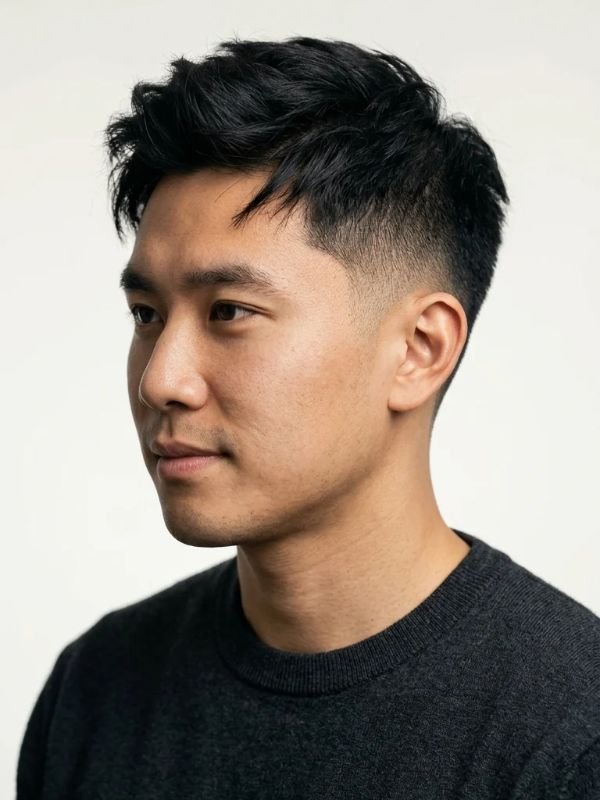
2. Textured Top Mid Taper
The top is cut with layers or texture, so it looks piece-y and has movement. The mid taper keeps the sides clean while the top has some personality.
Straight hair benefits a lot from texturizing because it adds shape that the hair may not have on its own. Use a matte clay or paste and work it through with your fingers.
Best for: men who want a modern look without much effort.
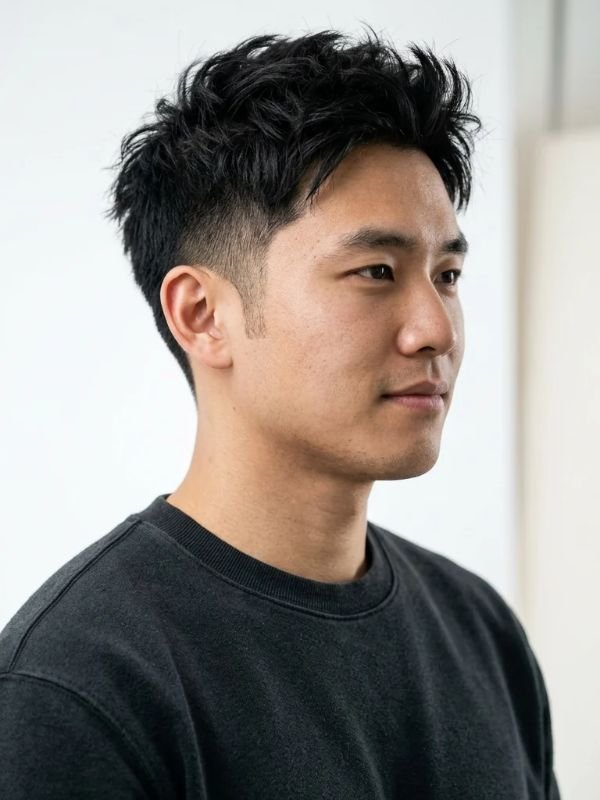
3. Messy Mid Taper Fade
A deliberately tousled top, often with a bit of length, paired with tidy sides. The mess looks intentional because the taper frames it.
Dry the hair with a bit of lift, then use sea salt spray or light paste. Avoid too much product, which can make hair look greasy instead of casual.
Best for: relaxed, casual looks.
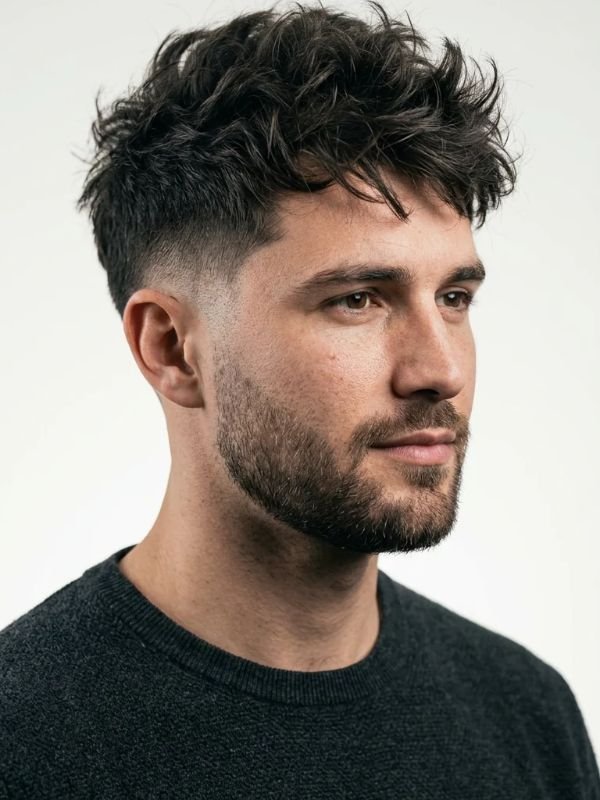
Korean-Inspired and Two-Block Styles
These styles come from popular East Asian trends. They usually have longer tops and softer fringes.
4. Korean Two-Block Mid Taper
A two-block cut has longer hair on top and shorter hair on the sides and back, with a clear separation. A mid taper softens the line so it does not look as abrupt.
It is a popular choice for hair that is thick and straight because it removes volume from the sides. Ask your barber to blend the transition so the cut still grows out nicely.
Best for: men who want a Korean-inspired shape.
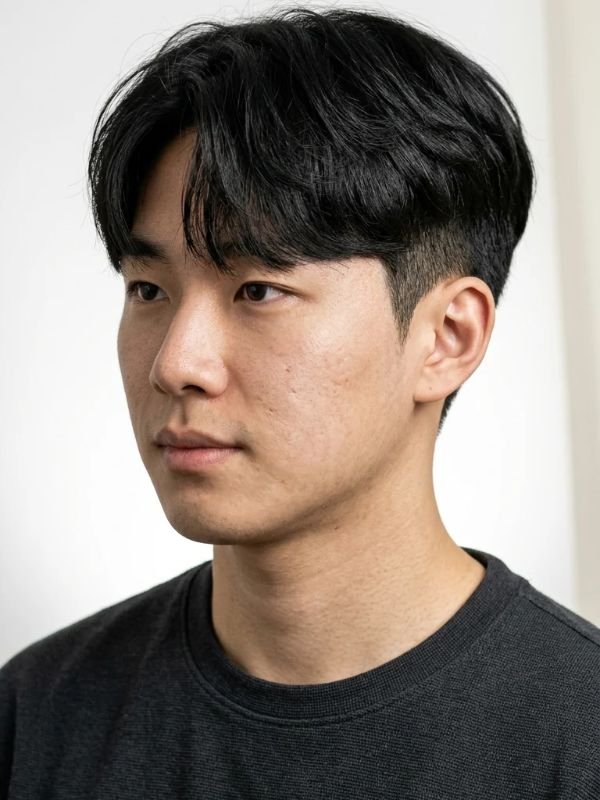
5. Middle Part Mid Taper
The top is parted in the center, with hair falling to each side. The taper keeps the sides slim so the part stands out.
This style works best when the hair is long enough to fall naturally, usually around three to four inches. A light blow-dry helps the hair sit properly. It looks soft and youthful.
Best for: men with straight, medium-length hair.
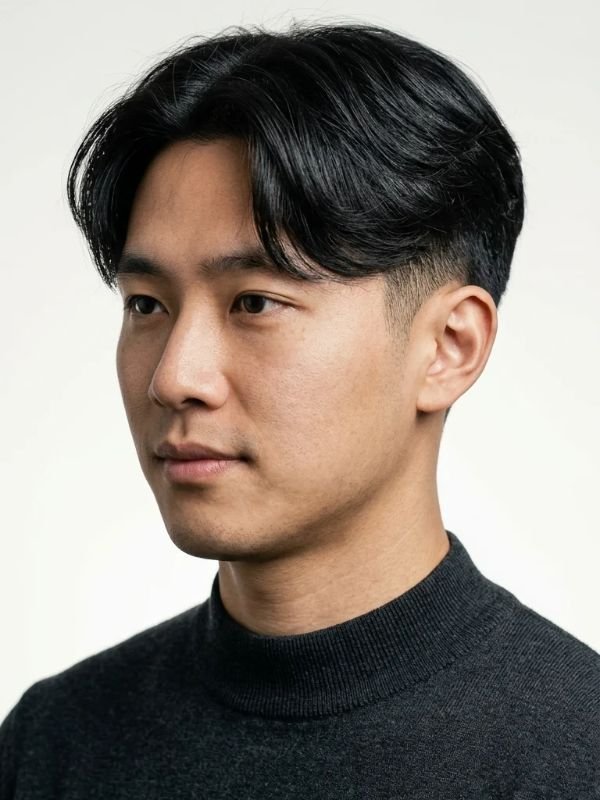
6. Curtain Fringe Mid Taper
Similar to a middle part, but the hair sweeps away from the forehead in a curtain shape. The mid taper tidies the sides and shows off the curve.
A round brush and hair dryer help create the bend. A light hold spray keeps the shape through the day without stiffness.
Best for: men who like soft, face-framing hair.

Fringe and Forward Styles
Forward-swept hair covers the forehead and creates a youthful look.
7. Textured Fringe Mid Taper
A fringe that sits across the forehead with chopped, textured ends. The taper keeps the sides crisp.
It is an easy cut to style, since the texture hides imperfections. Keep the fringe at a length that does not poke into your eyes, and ask for point cutting to avoid a blunt edge.
Best for: men who want low-maintenance style.
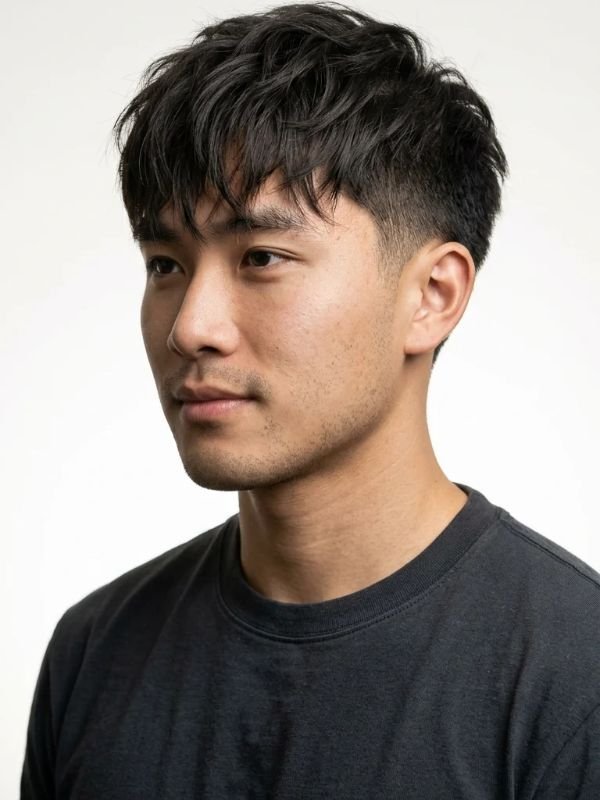
8. Short Fringe Mid Taper
A shorter fringe, often just above the eyebrows, with a mid taper at the sides. It looks neat and sharp.
It works well for hair that is thick and tends to stick out. A bit of paste keeps the fringe flat and controlled. This style is also easier to maintain in humid weather.
Best for: men who want a tidy, compact look.

Volume and Styling Styles
These styles add height or shape and take a little more time in the morning.
9. Quiff Mid Taper
The front is brushed upward and back, giving height at the hairline. The mid taper emphasizes the volume by keeping the sides short.
Use a blow-dryer to lift the roots, then style with a medium-hold product. Because straight hair can fall flat, texture spray helps hold the shape.
Best for: men who want a confident, polished look.
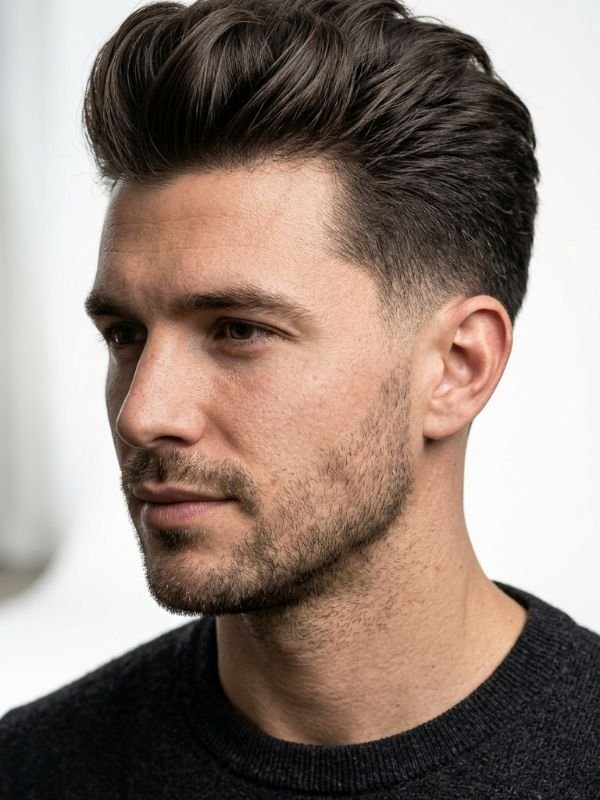
10. Fluffy Mid Taper
A soft, airy top with a lot of natural movement, kept light with feathering and layers. The mid taper keeps the sides slim so the fluff reads as intentional.
Dry the hair with your fingers and a cool shot of air. Skip heavy products, which weigh the hair down.
Best for: men who prefer a soft, youthful vibe.
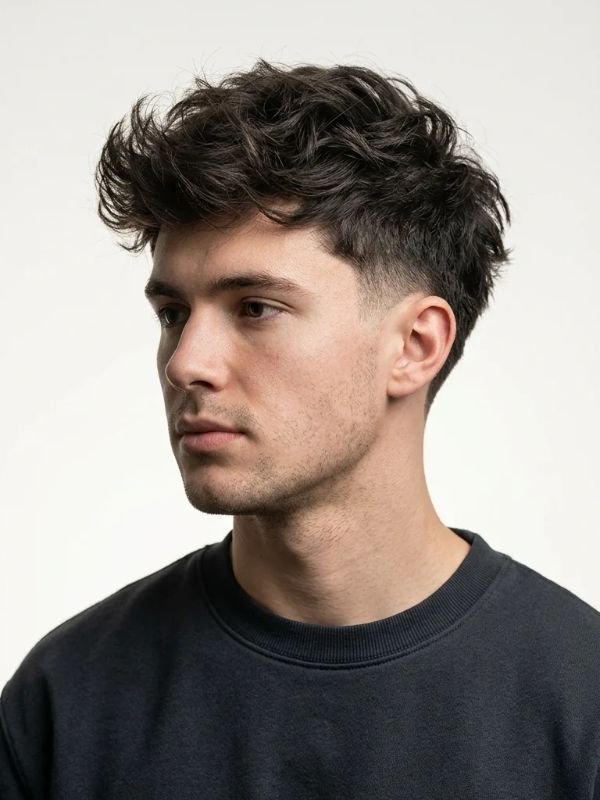
11. Blowout Mid Taper
A voluminous top that is blow-dried upward and slightly back, with a tapered side. It gives a full, modern shape.
It needs a bit of skill with a hairdryer, but the results look polished. A volumizing powder or light mousse can help the shape last.
Best for: men with thick hair who want height.
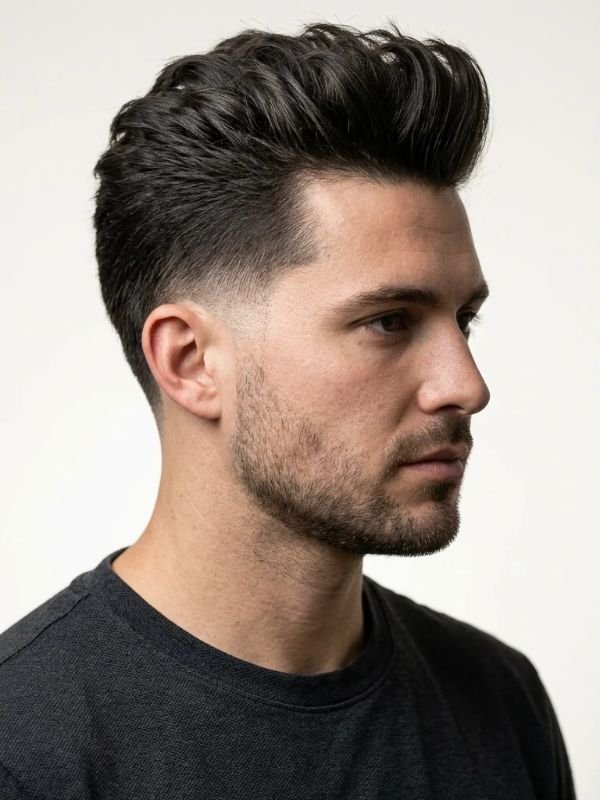
Clean and Longer Mid Taper Fade Asian Styles
These look sharper and more formal, or let you grow the top out.
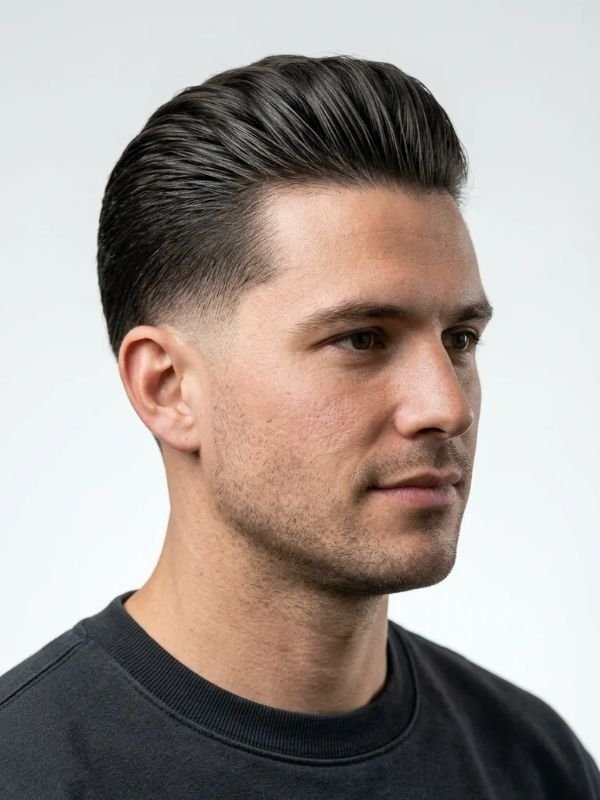
12. Slick Back Mid Taper
The top is combed straight back with a bit of product, while the sides are tapered. It looks sleek and mature.
Thick, straight hair can be stiff, so use a pomade with enough hold and comb it while the hair is slightly damp. Wash out product at night.
Best for: formal settings and evening events.
13. Side Part Mid Taper
A clean part on one side, with the top combed over. The mid taper keeps the look modern, not old-fashioned.
Ask your barber to cut the part line lightly or find your natural part. A medium-hold product keeps everything in place.
Best for: professional looks.

14. Long Top Mid Taper
A longer top, often five inches or more, with a taper at the sides. You can wear it down, swept back, or tied up.
It takes patience to grow, and regular trims keep ends healthy. The taper helps the length look purposeful instead of messy.
Best for: men who want to grow their hair while staying neat.
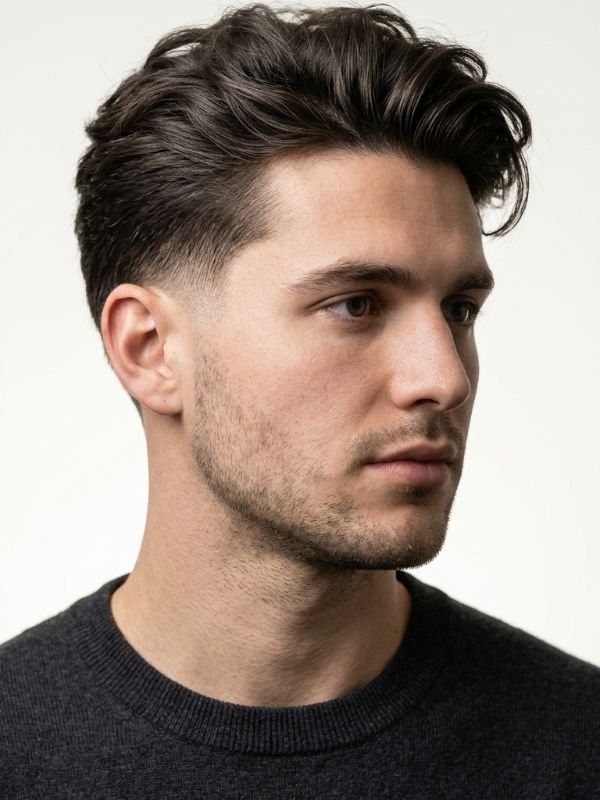
15. Low-Volume Natural Mid Taper
A flat, natural look that follows the hair’s growth with minimal styling. The taper keeps the sides slim.
It suits men who want almost no daily effort. A bit of light cream or nothing at all is often enough.
Best for: busy mornings and low-key style.

How to Choose the Right Style for Your Hair Type
Hair type decides how a cut sits and how easy it is to style.
Straight Hair
Straight hair shows clean lines well but can fall flat. Texture and layering add shape. Fringes, curtains, and quiffs all work. Because the hair is smooth, it reflects light and looks healthy with only a little product.
Wavy Hair
Wavy hair has natural movement and volume. A mid taper keeps the sides neat while the waves on top add texture. Fluffy and messy styles suit it.
Thick Hair
Thick hair can get bulky, so thinning and texturizing help. The mid taper removes weight from the sides. Two-block and blowout styles often work well. If your hair stands straight up when it is short, keep a little more length on top so the weight helps it lie down.
Fine Hair
Fine hair can look flat or thin. Keep the top at a moderate length and use volumizing products. A softer taper often looks better than a very high-contrast one.
Medium-Length Hair
Medium length gives the most options. Middle part, curtain fringe, and side part all work. Regular trims keep the shape.
Best Mid Taper Fade Asian Styles by Face Shape
Face shape helps decide how much height and width the top should have.
Oval Face
Almost any style works. Try a middle part or quiff.
Round Face
Add height with a quiff or blowout, and keep the sides tight to elongate the face.
Square Face
Soften the jaw with a fringe or curtain style. Avoid very boxy cuts.
Heart Face
A side-swept fringe or medium-length top balances a wider forehead.
Long Face
Avoid too much height. A fringe or fluffy top adds width and shortens the look.
Diamond Face
Soften the cheekbones and temples with a textured fringe or curtain style.
Rectangular Face
Keep the top at a moderate height and use fringe to shorten the forehead.
Best Mid Taper Fade Asian Styles by Age Group
Teenagers
Teens often like trendy shapes. Textured fringes, curtains, and fluffy cuts are popular. Check dress codes if you are in school.
Young Men
In their twenties and thirties, men can try nearly anything. Two-block, quiff, and blowout styles all work. This is a good time to experiment.
Professional Men
Cleaner styles suit the office better. Side part, slick back, and classic mid taper look polished and respectful.
How to Ask Your Barber for a Mid Taper Fade
Clear communication prevents most haircut problems. Bring photos from the front and side. Then explain these points:
- Fade height. Say you want a mid taper that starts around the temples.
- Finish. Choose skin, short, or natural at the bottom of the fade.
- Top length. Show with your fingers how many inches you want to keep.
- Top style. Name the style, such as fringe, quiff, or two-block.
- Neckline. Decide between rounded, squared, or natural.
- Texturizing. Tell the barber if your hair is thick and needs thinning.
A short script helps: “I would like a mid taper starting at the temples, blended smoothly, with about three inches on top and a textured fringe.”
If your barber suggests something different, ask why. A good barber can explain their reasoning based on your hair and head shape.
Mid Taper Fade Tutorial — Video Guide
Watching a barber work helps you understand what a good cut looks like. This breakdown shows the order most barbers follow, so you know what to look for in a video or in your own appointment.
- Section the hair. The top is clipped away so the sides can be worked on.
- Mark the fade line. The barber marks the starting point at the temples.
- Remove bulk. A longer guard takes down the length on the sides and back.
- Blend upward. Shorter guards and clipper-over-comb work soften the transition.
- Detail the edges. A trimmer cleans the ears, hairline, and neckline.
- Shape the top. The top is cut or texturized to match the style.
- Final check. The barber checks from every angle and fixes uneven areas.
If you search for tutorials, look for licensed barbers who work with straight, thick hair, and compare the steps with these.
Common Mid Taper Fade Mistakes to Avoid
Some problems come from styling and aftercare instead of the cut.
- Using too much product. Heavy gel or wax leaves the hair flat and greasy.
- Skipping blow-drying. Straight hair often needs a little heat for shape.
- Waiting too long between cuts. The fade grows out and loses its shape.
- Wrong product for hair type. Fine hair needs lighter products than thick hair.
- Ignoring natural growth patterns. Cowlicks and crowns can fight a style.
- Not washing product out. Buildup can irritate the scalp.
Common Barber Mistakes to Avoid
Even good barbers make mistakes. Watch for these during your cut.
- Fade starts too high. A mid taper that creeps up becomes a high fade.
- Harsh blending. Visible lines or steps look unfinished.
- Uneven sides. Check both sides in the mirror before finishing.
- Blunt fringe. A hard edge looks stiff. Ask for point cutting.
- No texturizing on thick hair. The top can look heavy.
Speak up politely if something looks wrong. It is easier to fix before the barber finishes.
How to Maintain a Mid Taper Fade Asian Haircut
A good routine keeps the cut looking fresh between visits.
Taper Maintenance
Fades grow out in two to four weeks, depending on your hair. Many men book a touch-up every three weeks. Longer is fine if you prefer a softer look.
| Style Type | Typical Touch-Up Timing |
| Short classic or skin finish | Every 2 to 3 weeks |
| Textured or fringe styles | Every 3 to 4 weeks |
| Long top styles | Every 4 to 6 weeks for trims |
Daily Styling
Start with clean, slightly damp hair. Blow-dry for shape, then use a small amount of product. Clay or paste suits textured looks, pomade suits slick back, and sea salt spray suits fluffy styles. Start with a pea-sized amount and add more if needed.
Shampoo and Conditioner
Wash two to four times a week, or as your scalp needs. Washing too often can dry the scalp, while washing too rarely can cause buildup. Use conditioner on the lengths, not the scalp, especially if your hair is fine.
Heat Protection
If you blow-dry daily, use a heat protectant spray. Keep the dryer on medium heat and move it often. Heat damage can leave hair dull and brittle.
Satin Pillowcase
A satin or silk pillowcase reduces friction, which helps prevent frizz and flattened hair while you sleep. It is a small change that keeps styles looking better in the morning.
Sulfate-Free Products
Sulfate-free shampoo is gentler and may help if your scalp is dry or sensitive. It does not suit everyone, so choose what works for you. If you use heavy styling products, you may still need a clarifying wash occasionally.
Mid Taper Fade vs Other Haircuts
It helps to know how the mid taper compares with similar cuts.
Mid Taper Fade vs Low Taper
A low taper starts just above the ears and nape, so it is subtle and conservative. A mid taper starts higher, at the temples, which gives more contrast and a modern look.
Mid Taper Fade vs Mid Fade
A taper shortens gradually and usually leaves some hair at the bottom. A mid fade usually goes shorter, often to the skin. The mid taper looks softer, and the mid fade looks sharper.
Mid Taper Fade vs Two-Block
A two-block has a clear separation between long and short sections. A mid taper blends the sides gradually. Many men combine them, using a taper on a two-block cut for a softer finish.
Mid Taper Fade vs Undercut
An undercut shaves the sides to a uniform short length with a hard line from the top. A mid taper blends smoothly and looks less severe.
| Cut | Contrast | Maintenance | Best For |
| Low taper | Low | Easier | Conservative settings |
| Mid taper | Medium | Moderate | Most men |
| Mid fade | Medium to high | Higher | Sharp, clean looks |
| Two-block | Medium | Moderate | Korean-inspired styles |
| Undercut | High | Higher | Bold styles |
What should I tell my barber for an Asian mid taper fade?
Tell your barber the fade height, the finish at the bottom, the length on top, and the style you want. Mention that your hair is thick or straight if it is, and ask for texturizing if it tends to puff out. Bring a photo.
Conclusion
The mid taper fade works for Asian men because it handles the common challenges of thick, straight hair. It removes bulk from the sides, keeps the shape neat, and leaves room for plenty of top styles. From a classic cut to a Korean-inspired two-block or a longer slick back, there is a version for nearly every hair type and face shape.
Choose a style that matches your hair and lifestyle, explain it clearly to your barber, and keep up with regular touch-ups. Use light products, protect your hair from heat, and adjust your routine as needed. With a good barber and a simple routine, a mid taper can look sharp for years.
