

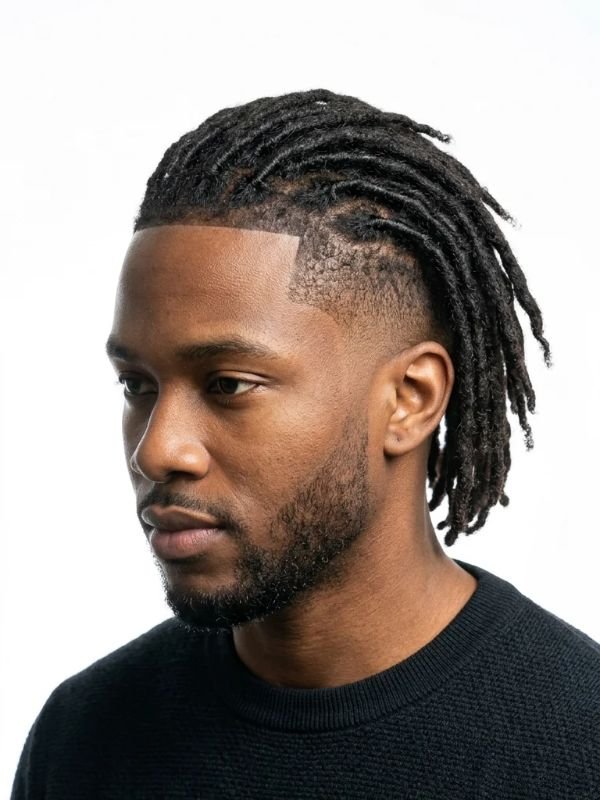
Dreads on top and a clean mid taper on the sides is one of the sharpest pairings in men’s hair right now. The locs give you texture, length and personality. The taper gives you structure. Together, they look intentional at every stage, from a fresh retwist to week eight.
This guide covers 15 mid taper with dreads styles, from short starter locs to long, thick freeforms. You will also find barber phrases you can use word for word, realistic price ranges, a DIY versus barber comparison, and a care routine that protects both your locs and your fade.
Quick answer: a mid taper with dreads means the sides and back are tapered shorter starting around the temple, while the dreadlocks stay long on top. It works on short, medium and long locs, and on most face shapes.
What Is a Mid Taper with Dreads?
A mid taper starts gradually shortening the hair around the temple, roughly halfway up the side of the head. It blends down toward the ears and neckline. When paired with dreads, the longer locs sit on top and the tapered sides act like a frame.
Here is how the taper heights compare when you have dreads:
| Taper height | Where it starts | Look with dreads | Best for |
| Low taper | Just above the ear | Subtle, professional | Conservative workplaces, growing locs |
| Mid taper | Around the temple | Balanced, modern | Most face shapes and loc lengths |
| High taper | Near the crown | Bold, high contrast | Height, top knots, statement looks |
| Burst taper | Arc around the ear | Edgy, curved | Long locs tied back, mohawk shapes |
The mid taper is the safe middle ground. It shows clear contrast with your locs without removing too much hair at the sides. It also grows out more gently than a skin fade, so you can stretch the time between appointments.
A taper is not the same as a fade. A taper usually leaves some hair at the bottom, while a skin fade goes all the way down to bare skin. You can ask for either with dreads, and many men choose a taper blending into a skin finish at the neckline.
Is the Mid Taper with Dreads Trending?
Yes, and the reason is practical as much as stylistic. A few things are driving it:
- Loc culture is mainstream. Locs now show up in offices, classrooms and fashion shoots, and barbers are better trained to cut around them.
- Texture is in. Men are wearing natural curl, coil and loc patterns instead of flattening everything down.
- Maintenance flexibility. A taper looks acceptable for longer between visits than a harsh skin fade, which matters when you are also paying for loc retwists.
- Creative range. The same taper works with starter twists, high tops, bleached tips and top knots, so you can change the top without changing the base.
Searching for ideas also shows how the style is described across barber and styling sites: short locs with a taper, high top dreads with a fade, tapered neckline, taper with line up. These are all variations of the same idea, which is why the list below covers each one.
15 Best Mid Taper with Dreads Styles
Each style notes who it suits and one practical tip. Choose by loc length first, then pick the finishing details.
Short Dread Styles with a Mid Taper Fade
Short locs are the easiest way to wear this combination. They stay tidy, need little styling, and show the fade clearly.
1. Short Dreads with Mid Taper
The classic. Locs about one to three inches long sit on top, and the sides taper from the temple down. It is clean, compact and works almost everywhere.
Best for: first-time loc wearers and offices. Tip: keep the loc size consistent so the top looks even.
2. Dreads with Sharp Lineup
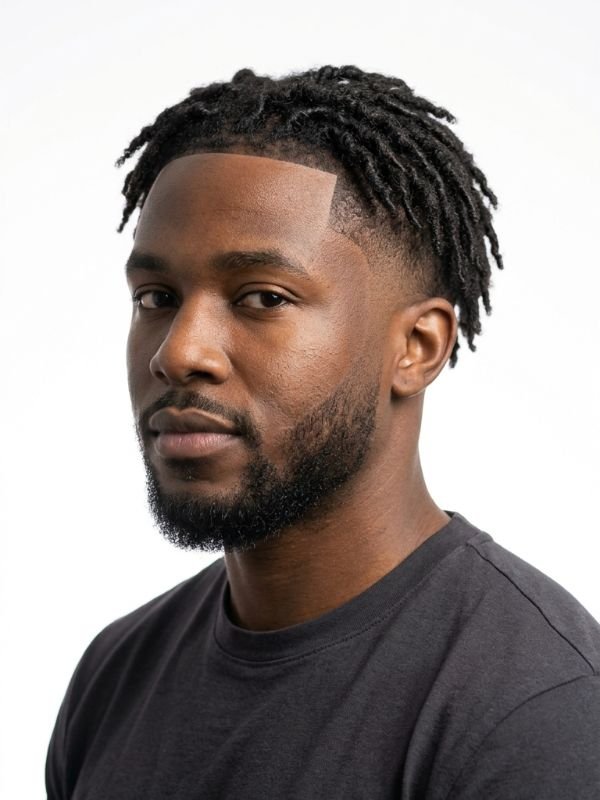
The same cut with a crisp line up around the forehead and temples. The straight edges make the locs look deliberate and polished.
Best for: men who like precision. Tip: ask for a natural hairline rather than a pushed-back one, since an aggressive line can change your face shape.
3. Thin Neat Dreads
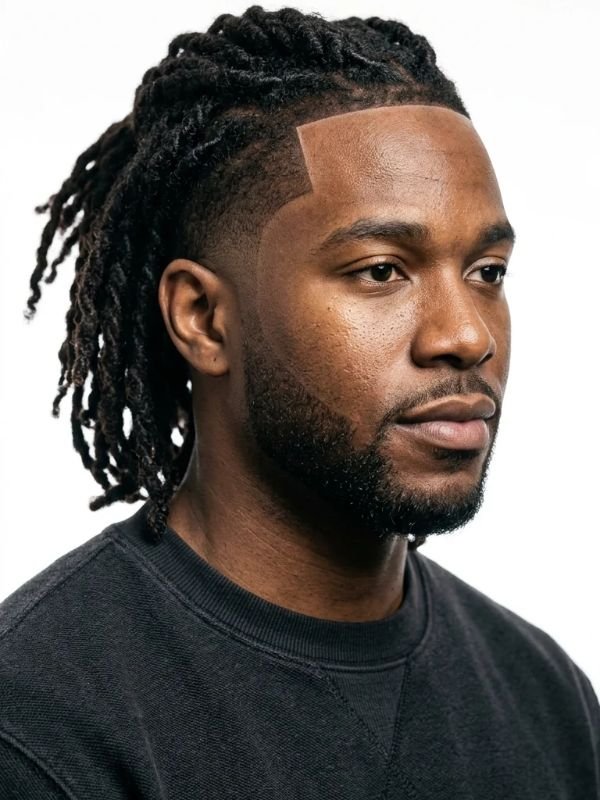
Thinner locs create a delicate, detailed texture. A mid taper keeps the sides subtle so the top does not look disconnected.
Best for: men with fine to medium hair. Tip: thin locs need more frequent retwisting to avoid looking frizzy.

4. Starter Twist Dreads
Two-strand twists are a common way to begin locs, and they look great over a taper. The twists give you a neat pattern while your hair locks.
Best for: men starting their journey. Tip: choose a taper that is not too short, so your outline looks balanced as the twists grow.
5. Sponge Twist Dreads
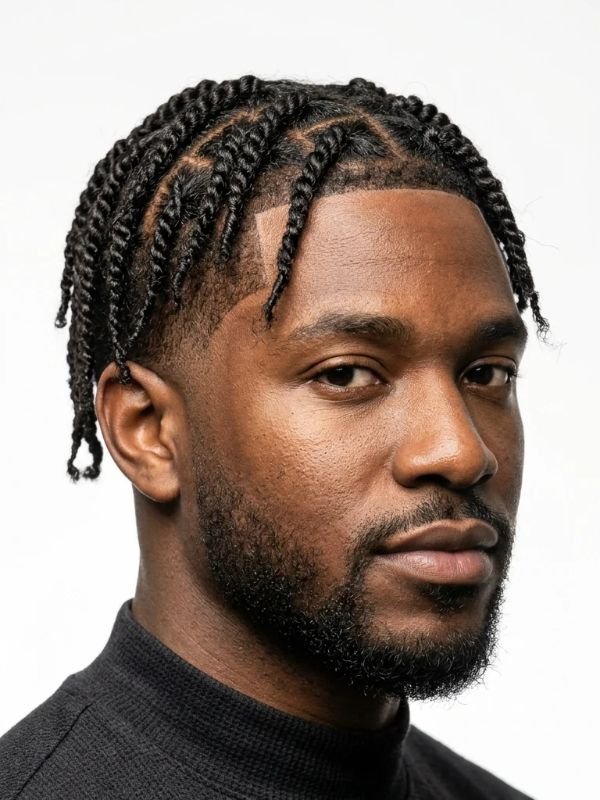
Short coils made with a sponge sit on top of a tapered base. The effect is textured and playful, and it often works as a starter style for locs.
Best for: shorter hair and creative looks. Tip: do not over-twist, because tight coils can stress the hairline.
Medium and Long Dread Styles
Longer locs bring movement and versatility. The mid taper stops them from looking heavy.

6. Medium Dreads with Mid Taper
Shoulder-length or slightly shorter locs hang loose or are pushed back. The taper keeps the face open and the neck clean.
Best for: most men with mid-length locs. Tip: a light oil adds shine without leaving residue.

7. Long Dreads with Mid Taper
Long locs fall past the shoulders over tapered sides. The contrast is dramatic, and the taper stops the volume from overwhelming your head shape.
Best for: men who want a statement. Tip: tie them back at night so they do not tangle or break.
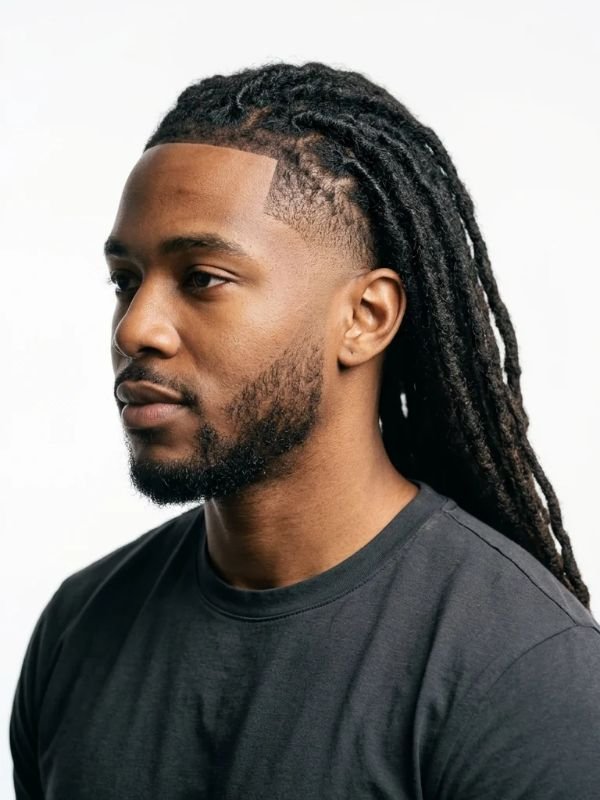
8. Dreads with Tapered Neckline
Here the taper is focused on the back, creating a neat, rounded or squared neckline. The sides stay softer.
Best for: men who want a subtle fade. Tip: this is a good compromise if your workplace is conservative.
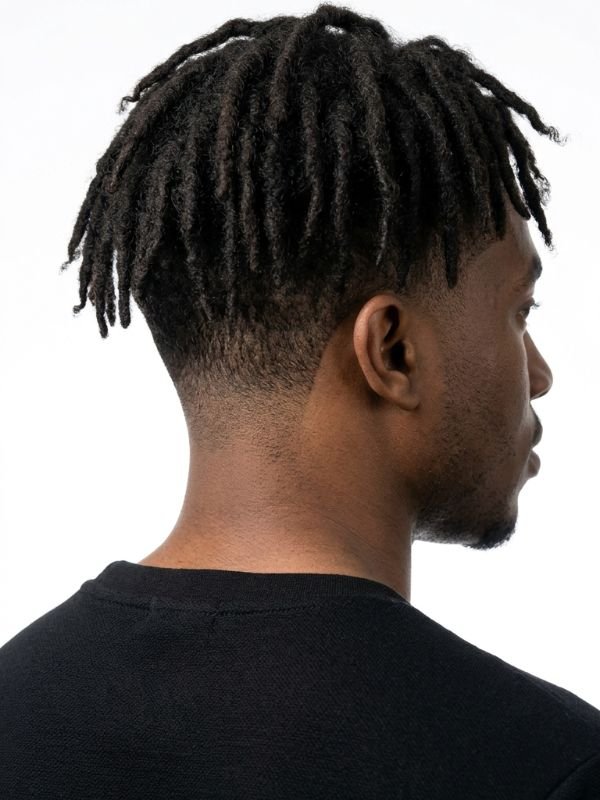
9. Dreads in a Top Knot
Locs are gathered and tied on top, while the taper keeps the sides short. The shape is sleek and practical, especially in hot weather.
Best for: active men and anyone who dislikes loose hair. Tip: use a soft elastic and vary the knot position to reduce tension.
Bold Dread Variations
These styles add personality. They need a little more upkeep but make a clear statement.

10. Dreads with Connected Beard
The sideburn and beard blend into the taper, so the whole outline flows. It looks complete and grown-up.
Best for: men with full beard growth. Tip: ask for a seamless transition with no gap at the sideburns.

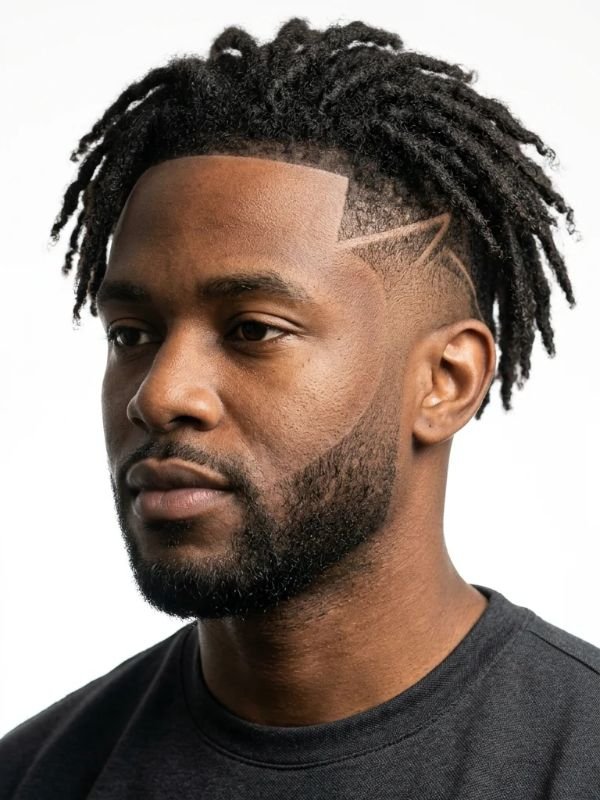
11. Dreads with Line Design
A shaved line or small pattern is added to the tapered sides. It is a subtle detail that sits behind the locs.
Best for: men who like a custom touch. Tip: keep the design small and simple, because it will need frequent touch-ups.
12. Blonde-Tipped Dreads
The ends of the locs are lightened to blonde, honey or copper. The color pops against dark hair and a clean taper.
Best for: men who want a bold look without a full color change. Tip: bleach can dry locs, so condition regularly.

13. Thick Freeform Dreads
Larger, natural locs form with irregular shapes. A mid taper gives them a sharp edge, which keeps the look polished.
Best for: relaxed, organic style. Tip: keep the taper precise to balance the loose top.

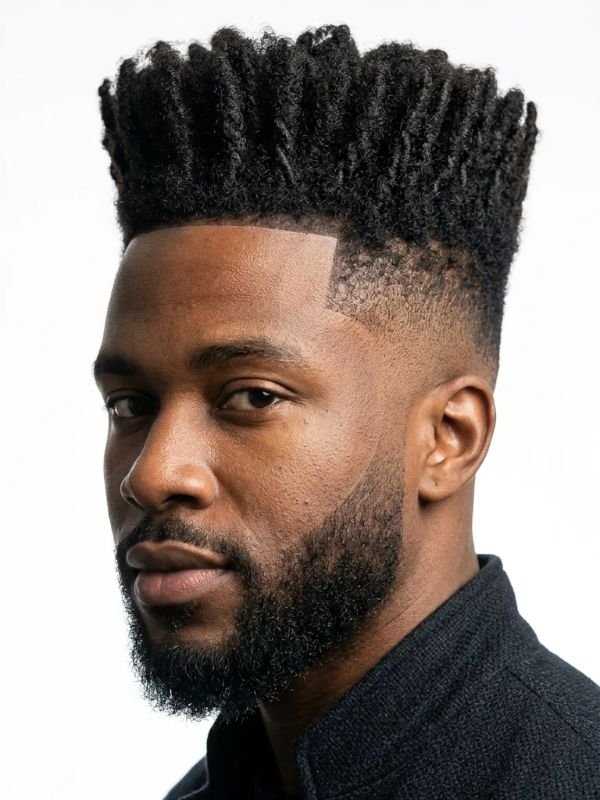
14. High-Top Dreads
Locs stand upright on top while the sides are tapered short. The shape is bold and creates height, and the mid taper helps the transition look natural.
Best for: round faces and men who want vertical lines. Tip: shorter, thicker locs hold the shape best.
15. Swept-Back Dreads
The locs are brushed or tied back from the forehead. The tapered sides make the shape look streamlined and intentional.
Best for: formal settings and photos. Tip: use a light hold product, not gel, so the locs do not stiffen.
Which Style Fits Your Face Shape and Loc Length?
You do not need to match everything perfectly, but a few guidelines help. The idea is to balance proportions: add height to round faces, add width to long faces, and soften strong angles.
| Face shape | Styles that tend to work | Why |
| Oval | Almost any, such as styles 1, 6, 7 | Balanced proportions are forgiving |
| Round | High-top dreads, top knot, swept-back | Height lengthens the face |
| Square | Medium dreads, loose long locs | Soft movement balances the jaw |
| Long or rectangular | Medium dreads, thick freeform | Width keeps the face from looking longer |
| Heart-shaped | Short dreads, connected beard | Fills out the jawline |
| Diamond | Medium locs, swept-forward styles | Adds fullness at the forehead |
Loc thickness matters too. Thin locs can look disconnected from a very high fade, so a low or mid taper gives a smoother gradient. Thick locs can handle a bolder contrast.
If you are still unsure, start with a mid taper and medium locs. It is the most forgiving combination, and you can adjust height, length or color on your next visit.
How to Ask Your Barber for a Mid Taper with Dreads
Not every barber is comfortable with locs, and not every loc specialist is a fade specialist. Be direct and specific, and check first that they have cut around locs before.
Try these phrases:
- “I want a mid taper starting at the temple, with my locs left long on top.”
- “Please taper the sideburns and neckline, but keep it soft, not skin.”
- “I want a clean line up, with a natural hairline.”
- “Blend my beard into the sideburn.”
- “Please do not cut or thin my locs, only the sides and back.”
Show a photo when you can. It removes guesswork.
Here are the details to settle before the clippers start:
- Taper height: mid, starting at the temple.
- Finish at the bottom: soft taper or skin.
- Guard numbers: many barbers use a guard around 2 to 3 at the top of the taper, stepping down toward 1 or zero near the ears and neck. Guard sizes vary by clipper brand, so let your barber decide.
- Loc handling: ask them to pull locs up and out of the way, and avoid pulling on the roots.
- Line up: natural, sharp or none.
A good barber will section the locs first, then cut the sides. If your barber wants to cut at the roots of your locs, ask them to stop and explain.
How Much Does a Mid Taper with Dreads Cost?
There are two separate costs: the taper and the loc maintenance. Prices vary by city, barber reputation and service time, so treat these as ballpark figures.
| Service | Typical price range | How often |
| Standard fade or taper | About $30 to $65 | Every 2 to 3 weeks |
| Skin fade or detailed fade | About $50 to $120 | Every 1 to 3 weeks |
| Beard trim add-on | About $15 to $40 | With each cut |
| Loc retwist | About $50 to $85 in many shops, more in large cities | Every 4 to 8 weeks |
| Starting new locs | From under $100 to a few hundred | Once, plus follow-up |
| Tip | 15 to 20 percent | Each visit |
Over a year, the taper is usually the larger cost because you visit more often. Locs cost less per visit but add up through retwists and products.
Ways to keep costs down:
- Choose a taper instead of a skin fade.
- Book a barber and a loc specialist who work in the same shop.
- Learn basic edge maintenance between visits.
- Buy a good clipper and trimmer for tidy-ups, not full cuts.
Mid Taper with Dreads: DIY vs Barber
Doing it yourself is possible, but the results depend on your skill, your tools and how forgiving your style is.
| Factor | DIY | Barber |
| Cost | Low after buying tools | Ongoing |
| Precision | Hard to blend at the back | Usually better |
| Time | 45 to 90 minutes | 30 to 60 minutes |
| Risk | Uneven blends, patches | Lower, if the barber is experienced |
| Best for | Maintenance trims | Full tapers and designs |
DIY works for tidying the neckline and sideburns between visits. A full mid taper is harder because you cannot see the back of your head. Mistakes are visible and take weeks to grow out.
If you try it at home:
- Start with clean, dry hair and tie the locs up and away.
- Use a longer guard first, then work down.
- Make small upward flicking motions to blend.
- Use a mirror setup that lets you see the back.
- Stop early. You can always take more off.
For a first taper, or when you want a line up or design, go to a barber.
Read Also This: 17 Best Mid Taper Fade Curly Hair Styles (2026)
How to Take Care of Dreads with a Mid Taper
Looking after both parts of the style matters. The taper needs frequent cleaning, while the locs need moisture and patience.
Wash and moisturize
Wash locs every one to two weeks with a residue-free, sulfate-free shampoo. Rinse thoroughly, because leftover product builds up inside locs and is hard to remove. Moisturize with a light spray or oil, and keep the scalp healthy, since the tapered sides show dryness and flaking more clearly.
Retwist on a schedule
Many people retwist every four to eight weeks, depending on how fast their hair grows and how neat they want the roots. Retwisting too often can stress the hairline. Waiting too long can lead to thin spots and loose locs.
Protect them at night
Wear a satin bonnet or durag to reduce frizz and lint. Tie long locs up so they do not tangle or pull while you sleep.
Keep the taper fresh
A taper looks best in the first two weeks. After that, the lines soften. Plan a cleanup every two to three weeks if you want a sharp edge, or every three to four weeks for a softer look.
Be patient with growth
Locs take time. Many men see them mature over roughly six months, and some take longer. The early stages can look messy, so a taper helps keep the overall look neat while your locs develop.
Quick care schedule
| Task | Frequency |
| Moisturize scalp and locs | Daily or every few days |
| Wash | Every 1 to 2 weeks |
| Taper cleanup | Every 2 to 3 weeks |
| Retwist | Every 4 to 8 weeks |
| Deep condition | Monthly |
| Check for damage | Monthly |
Common Mistakes with a Mid Taper and Dreads
Most problems come from rushing or poor communication. Watch for these:
- Cutting the locs by accident. Barbers who are not used to locs sometimes trim ends or thin roots. Say clearly what stays.
- Taper starting too high. A mid taper that creeps toward the crown reads as a high fade and can look disconnected from thin locs.
- Skipping retwists. New growth at the roots makes the top look untidy next to a sharp taper.
- Heavy products. Wax and thick butters build up in locs and are hard to wash out.
- Tight styles every day. Constant tension from knots and ties can cause thinning at the hairline.
- Ignoring the scalp. Dry or itchy skin shows clearly on tapered sides.
- Choosing a style that clashes with your routine. If you do not have time for a weekly wash and retwist plan, keep the style simple.
If something looks off after a cut, tell your barber politely before you leave. Small blend fixes take a few minutes.
Products and Timing That Make the Style Last
You do not need a shelf full of products. A small, well-chosen kit does the job.
| Need | What to look for | Avoid |
| Shampoo | Residue-free, sulfate-free formula | Heavy conditioning shampoos |
| Moisture | Water-based spray, light oil | Thick wax, petroleum products |
| Scalp care | Lightweight scalp oil or serum | Heavy greases on tapered skin |
| Night protection | Satin bonnet or durag | Cotton pillowcases |
| Edge tidy-ups | Small trimmer for neckline | Full clippers without practice |
Timing helps as much as products. Many men book the taper first, then the retwist a day or two later, so the roots and the sides both look fresh at the same time. Others do the opposite, because a retwist can shift the shape of the top and they want the barber to see the final outline.
Pick one order and keep it consistent. If your barber and loc stylist work in the same shop, ask whether they can schedule you back to back. It saves a second trip and keeps the whole look matched.
Travel and events also matter. If you have a wedding, interview or photo shoot coming up, plan the taper for three to five days before. The lines will be crisp, and any redness or irritation from the trimmer will have settled. Pack a satin bonnet and a small moisturizing spray, and keep your locs tied up while you sleep so the new shape stays intact.
Is a Mid Taper with Dreads Office-Appropriate?
Often, yes. The taper is what makes it work. Clean sides, a tidy neckline and well-maintained locs look polished in most workplaces.
To make the style office-ready:
- Keep the taper soft instead of skin.
- Choose a natural hairline over a pushed-back line up.
- Pull longer locs into a neat top knot, low tie or swept-back style.
- Keep the roots fresh, since overgrown locs can look messy.
- Avoid very bright color tips in conservative environments.
Workplace attitudes toward locs vary, and some employers have appearance policies. In the United States, several states and cities have adopted CROWN Act laws that prohibit discrimination based on natural hairstyles, including locs. If you are unsure about your situation, check your local laws and your employee handbook.
Final Thoughts
The mid taper with dreads is a balanced, flexible style that suits most men. It frames your locs, keeps your outline clean and works across lengths from short starter twists to long, thick freeforms.
To get the best result, follow these steps:
- Pick your loc length and style from the list above.
- Find a barber who is comfortable with locs, and bring a photo.
- Ask for a mid taper starting at the temple, with a soft or skin finish.
- Keep up a simple routine: moisturize, wash regularly, retwist on schedule and refresh the taper every two to three weeks.
Start with a style that fits your routine, not just your mood. A cut you can maintain will always look better than a complicated one you cannot.
